
Introduction to Arutz Sheva
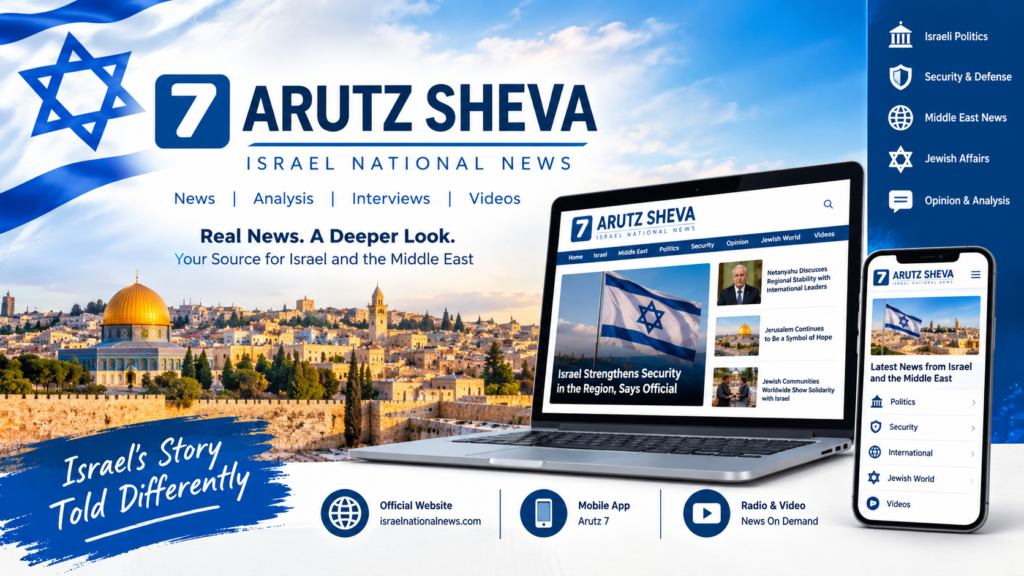
Arutz Sheva, also known as Israel National News, is an Israeli media organization that provides news, commentary, interviews, videos, and other digital content related to Israel and the wider Middle East. Its coverage includes Israeli politics, government decisions, national security, international relations, Jewish affairs, and current events. The organization has a distinctive religious Zionist background, which is important for understanding its editorial perspective.
The name Arutz Sheva translates from Hebrew as “Channel Seven.” The organization began as a radio initiative in 1988 and subsequently developed an online presence. Today, readers can access its English-language reporting through the Israel National News website.
People searching for Arutz Sheva may want to read the latest Israel news, understand regional developments, find the official website, or learn about the publication’s history. Others may be researching Israeli media organizations and comparing how different publications report political events.
This guide explains what Arutz Sheva is, how its news platform works, what topics it covers, and how readers can evaluate its reporting. It also explores the organization’s digital services, editorial identity, and role in the broader Israeli news environment.
What Is Arutz Sheva?
Arutz Sheva is an Israeli news and media network associated with religious Zionism. It publishes news and commentary about Israeli society, politics, religion, security, diplomacy, and international affairs. Its English-language publication is known as Israel National News.
The organization originally gained attention through radio broadcasting and later expanded into internet-based publishing. Its digital platform allows readers to access articles and multimedia content without relying on a traditional broadcast schedule.
Arutz Sheva is particularly relevant to readers interested in Israeli national affairs and Jewish religious and cultural issues. Its reporting and commentary provide insight into subjects that matter to its audience, while its editorial background offers useful context for interpreting its coverage.
The official English-language website is available at https://www.israelnationalnews.com/.
Readers should distinguish between news reporting, opinion articles, and commentary when using the publication. Each format has a different purpose, and factual claims should be evaluated according to the evidence supporting them.
Is Arutz Sheva the Same as Israel National News?
Yes. Arutz Sheva and Israel National News are closely associated names for the same media organization. Israel National News is the name used for its English-language news website.
The two names may appear in search results, article references, and descriptions of the organization’s history. Understanding their relationship helps readers find the correct website and identify relevant articles.
For example, someone searching for “Arutz Sheva English” is generally looking for the English-language news service. A search for “Israel National News” may lead to the same platform.
The official website provides access to published articles and other content. Readers who want to verify contact details or identify the organization can also consult its official contact page.
History and Background of Arutz Sheva
Arutz Sheva has a history that reflects changes in Israeli broadcasting and digital journalism. The organization began in the late 1980s, when radio was an important medium for reaching audiences interested in national affairs, religious life, and cultural discussions.
According to a historical article published by Israel National News, Arutz Sheva radio was founded in 1988 and originally broadcast from a ship in the Mediterranean Sea. The station later became associated with internet broadcasting, with online radio operations beginning in 1995.
These developments helped establish the organization’s identity as a media platform serving an audience interested in Israeli national and religious issues.
The Early Radio Years
In its early years, Arutz Sheva developed a distinctive broadcasting identity. Its programming included news, discussion, and music associated with Israeli and Jewish culture.
The station appealed to audiences who wanted media coverage reflecting religious Zionist perspectives and national concerns. Its emergence also formed part of a broader discussion about representation, broadcasting access, and the range of viewpoints available in Israeli media.
Radio helped the organization establish a recognizable name before digital news websites became a major source of information.
The Move Toward Online Publishing
As internet use expanded, Arutz Sheva developed digital services that allowed readers and listeners to access content online.
Online publishing offered several advantages. Readers could access articles at different times, revisit previous reports, and search for specific topics. Digital distribution also made it easier to reach audiences outside Israel.
The English-language website increased the organization’s accessibility to international readers who wanted to follow Israeli politics, Middle East developments, and Jewish affairs.
Changes in Broadcasting
Arutz Sheva’s original radio operation was shut down in 2003 following legal developments concerning its broadcasting activities. The organization subsequently continued its media presence through internet-based services and online publishing.
This history is important because references to Arutz Sheva radio can describe different periods and services. Readers interested in listening should check the official website for currently available audio content rather than assuming that every historical broadcasting service remains unchanged.
What Type of News Does Arutz Sheva Cover?
Arutz Sheva covers a broad range of topics connected with Israel and international affairs. The exact mix of stories changes according to current events, editorial priorities, and the availability of information.
Its coverage can include breaking news, political reporting, security updates, diplomatic developments, Jewish cultural subjects, interviews, and opinion pieces.
Israel News and Current Affairs
Israel news is central to the publication’s coverage. Articles may examine government decisions, court rulings, social developments, public policy, community events, and other issues affecting Israeli society.
Readers following Israel current affairs can use the website to explore events and understand which subjects are receiving attention from its newsroom.
For a more complete picture, readers should compare significant stories with other established news organizations. This is particularly useful when an event involves competing claims or when important details are still emerging.
Israeli Politics and Government
Arutz Sheva reports on political developments involving Israeli leaders, government institutions, political parties, and parliamentary activity.
The Knesset, Israel’s parliament, is an important institution in this coverage. Parliamentary debates, proposed legislation, coalition negotiations, elections, and government policy decisions can all become subjects of news reporting.
Political stories often contain several different kinds of information. A government announcement may confirm that a policy has been proposed, while a separate legislative process may be required before it becomes law.
Readers should therefore distinguish between campaign promises, political statements, proposed measures, and officially adopted decisions.
Middle East News
Middle East news is another important subject for readers interested in Arutz Sheva. Regional developments may include diplomatic negotiations, security incidents, international agreements, and relations between Israel and neighboring countries.
These stories can be complex because governments and other parties may provide different accounts of the same event.
A careful reader should examine publication dates, identify the sources cited, and check whether important claims have been independently confirmed. Comparing multiple reports can help establish what is known and what remains uncertain. Arutz Sheva
Security and Defense Reporting
Security reporting may cover military announcements, border incidents, emergency measures, defense policy, and other developments affecting Israel’s security environment.
Information about security events can change quickly. Early reports may rely on preliminary statements, and later reporting may provide additional details or correct earlier information.
Readers should pay attention to whether an article attributes a claim to a military spokesperson, government official, eyewitness, or independent source. Attribution helps readers understand where information originated and whether further verification is necessary.
International Relations and Diplomacy
Arutz Sheva also covers diplomatic developments involving Israel and other countries.
Relevant stories may include meetings between political leaders, international agreements, diplomatic disputes, foreign policy announcements, and negotiations involving regional or global organizations.
International relations reporting can help readers understand how decisions made outside Israel affect its diplomatic relationships and domestic policy debates.
For important developments, official statements and reporting from multiple countries can provide useful additional context.
Jewish News and Religious Affairs
Arutz Sheva’s religious Zionist background is reflected in its interest in Jewish life, religious affairs, and cultural topics.
Coverage may include religious observances, community events, Jewish education, historical discussions, religious institutions, and debates about the role of religion in public life.
This subject area distinguishes the publication from outlets that focus mainly on general politics, business, or international news.
Readers interested in Jewish communities and religious Zionism may find these articles useful for understanding perspectives and issues that receive different levels of attention across the media landscape.
How to Access the Official Arutz Sheva Website
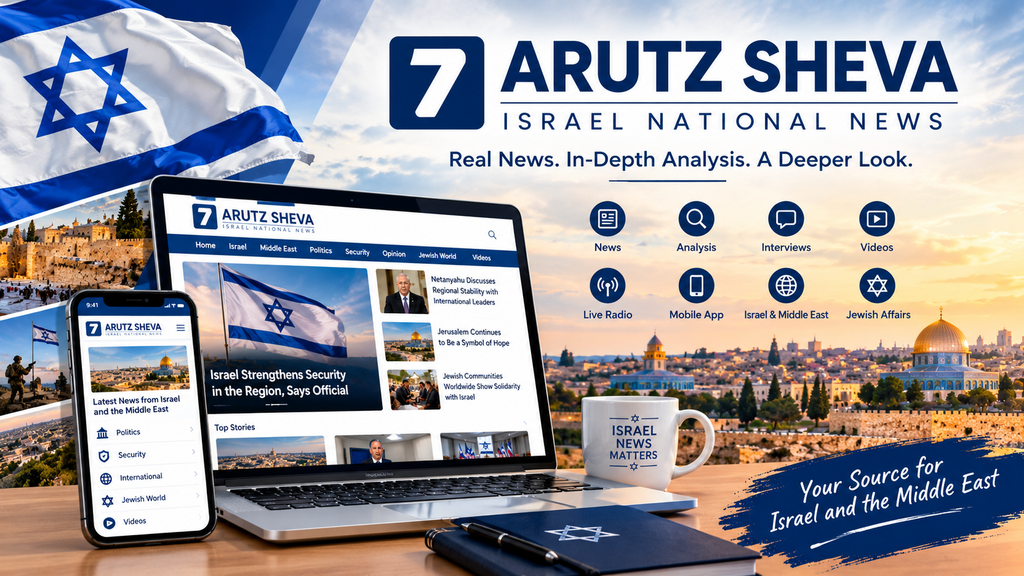
Readers can access Arutz Sheva’s English-language news through the Israel National News website.
Official website: https://www.israelnationalnews.com/
The website allows visitors to browse available headlines, open individual reports, and explore its current categories and multimedia offerings.
Finding News Articles
If you want information about a particular event, use the website’s navigation or available search tools to locate relevant reports.
You can also use a search engine with a specific phrase, such as “Arutz Sheva Israeli politics” or “Israel National News security news.”
More specific searches can make it easier to locate information about a particular announcement, person, event, or policy.
Checking Publication Dates
Publication dates are especially important when reading news about politics, security, and international relations.
A report published several days ago may describe the situation accurately at that time but may not include later developments. Check whether an article has been updated and look for newer coverage when the issue is ongoing.
Finding Original Sources
News reports may refer to official announcements, interviews, court documents, government statements, or reports from other organizations.
Where possible, examine the original source. This helps readers distinguish a direct quotation from a journalist’s summary or an author’s interpretation.
How to Read Arutz Sheva News in English
The English-language edition of Israel National News allows readers who do not read Hebrew to explore its coverage.
To use the platform effectively, identify what you need. A quick headline check may be sufficient for a general update, while academic research or an investigation into a political event may require reading several articles and consulting original documents.
Search by Topic
Topic-specific searches can help you find relevant coverage more efficiently.
Examples include:
- Arutz Sheva English news
- Israel National News politics
- Arutz Sheva Middle East coverage
- Arutz Sheva Jewish affairs
- Arutz Sheva security updates
These phrases connect the publication’s name with a particular subject and can help narrow the results.
Read Beyond the Headline
Headlines are designed to summarize a story and attract attention, but they cannot include every qualification or detail.
Read the article itself before drawing conclusions. Check whether the opening paragraphs accurately reflect the evidence presented later in the report.
If a headline describes an allegation, determine whether the article establishes the claim or merely reports that someone made it.
Separate News from Opinion
News reports, opinion columns, and editorials have different purposes.
A news report generally describes events and attributes claims to sources. An opinion article presents an argument or interpretation. Both formats may provide useful information, but opinion should not automatically be treated as independently verified fact.
When reading commentary, consider the author’s evidence, assumptions, and treatment of alternative explanations.
Arutz Sheva Radio, Videos, and Digital Media
Arutz Sheva developed from a radio initiative into a digital media organization. Its online presence has included written reporting, audio content, video, and podcasts.
These formats offer different ways to engage with news and current affairs. Their availability and features may change, so readers should consult the official website for current options.

Radio and Audio Content
Audio programming can help audiences follow discussions and interviews without reading an entire article.
However, the organization’s historical radio station should be distinguished from its later online media offerings. The original radio operation ended in 2003, while digital content continued to form part of its media presence.
Readers interested in listening should verify which audio services are currently available.
Video News
Video can provide access to interviews, press conferences, commentary, and other visual material.
When viewing a news clip, consider its date, source, and context. A short video may omit information from earlier or later parts of an event.
For disputed claims, look for complete recordings or independent reporting that verifies what happened.
Podcasts and Interviews
Podcasts and interviews can provide more extensive discussion than a short news brief. They may explore background, explain political developments, or present an interviewee’s views.
Listeners should still distinguish between a guest’s claims and independently established facts. An interview can be useful for understanding a person’s perspective without proving that every statement is accurate.
Arutz Sheva Mobile App and Digital Services
Mobile applications make it easier to access news while away from a computer. An application called Arutz 7 has been listed on Google Play under the Israel National News name.
Before installing it, check the current listing, developer details, device compatibility, and privacy information. Application features can change over time.
Benefits of Mobile News Access
A news app may make it easier to browse headlines, read articles, and access multimedia content on a smartphone.
Depending on the current version, it may offer additional features such as notifications or personalized settings. Users should confirm the availability of these features rather than assuming that every version provides the same functionality.
Website Versus Mobile App
The website may be preferable for readers using desktop computers or those who do not want to install another application.
A mobile app may be convenient for frequent readers who prefer accessing content through a dedicated interface.
The choice depends on individual needs, device compatibility, and the services currently available.
Privacy Considerations
Before installing a news application, review its privacy disclosures and permissions.
Check what information the app may collect and whether its permissions are appropriate for its stated functions. Using an official app store can help reduce the risks associated with unfamiliar downloads, but it does not eliminate the need to review the developer and privacy information.
Is Arutz Sheva a Reliable News Source?
Arutz Sheva’s reliability should be assessed by considering the evidence provided in individual articles, the transparency of its sources, its corrections practices, and its editorial perspective.
Media Bias/Fact Check identifies Arutz Sheva with a right-leaning, religious Zionist editorial orientation and provides its own assessment of the outlet’s factual reporting. Such assessments are external evaluations and should be understood as one source of information rather than a definitive judgment about every article.
Readers should evaluate individual stories instead of assuming that all content from one publication has the same level of accuracy.
Examine the Evidence
Look for named sources, direct quotations, official documents, and other evidence supporting the article’s claims.
Transparent sourcing makes it easier for readers to verify information independently. When anonymous sources are used, consider whether the article explains why anonymity was necessary and whether other evidence supports the claim.
Compare Independent Reporting
For significant political or security stories, compare the article with reporting from other established news organizations.
Where possible, consult primary sources such as legislation, court documents, official statements, and complete recordings of public speeches.
Independent confirmation is particularly important for allegations, disputed events, and breaking news.
Consider Editorial Perspective
Arutz Sheva’s association with religious Zionism is relevant to understanding its coverage of national identity, religion, and Israeli politics.
Editorial perspective can influence which stories receive attention and how an issue is framed. However, an outlet’s political orientation does not by itself prove that an individual factual statement is true or false.
Readers should examine the evidence and consider alternative accounts before reaching conclusions.
Arutz Sheva Compared with Other Israeli News Websites
Arutz Sheva is part of a wider Israeli media environment that includes publications with different audiences, languages, editorial approaches, and reporting priorities.
When comparing news sources, consider the kind of information you need rather than assuming that a single publication will be equally suitable for every subject.
Important comparison factors include:
- Editorial perspective: Does the outlet have a recognizable political or cultural orientation?
- Coverage: Which subjects and communities receive the most attention?
- Source transparency: Are claims attributed to identifiable people or documents?
- International context: Does the reporting explain relevant developments outside Israel?
- Opinion and news: Are commentary and factual reporting clearly distinguishable?
- Updates: Does the outlet provide corrections or clarify developing stories?
- Accessibility: Is the information available in a language you understand?
Comparing Coverage of One Event
Choose an important event and read reports from several publications.
Compare the timeline, the sources quoted, the headline wording, and the distinction between confirmed facts and allegations.
Different publications may emphasize different parts of the same event. Examining those differences can help readers understand how news selection and framing affect public understanding.
Using Multiple Sources
Arutz Sheva can be one part of a broader news-reading routine. Combining its reporting with other Israeli and international publications can provide a wider view of complex events.
Primary sources can add further context, particularly when a story concerns legislation, official policy, legal proceedings, or public statements.
The aim is to understand the available evidence, recognize uncertainty, and distinguish documented facts from competing interpretations.
Benefits of Following Arutz Sheva
Arutz Sheva may be useful for readers interested in Israel, Jewish affairs, and regional developments.
Israel-Focused Coverage
The publication concentrates on Israeli national affairs and related subjects. This can help readers explore issues that may receive limited attention in general international news coverage.
English-Language Access
Its English-language website makes content accessible to readers who do not read Hebrew.
This can benefit international readers, students, researchers, journalists, and people who want to follow Israeli current affairs.
Multiple Content Formats
Written articles and available multimedia content provide different ways to engage with reporting.
Readers can choose formats according to their preferences, although every format should be evaluated with attention to context and sourcing.
Insight into a Distinct Editorial Perspective
The publication can also be useful for studying how a religious Zionist media organization discusses Israeli politics, religion, and national identity.
For research purposes, its articles may provide evidence of the outlet’s reporting and viewpoint. They should not automatically be treated as the only authority on a complex issue.
Limitations to Consider When Reading Arutz Sheva
Every news organization has limitations, and Arutz Sheva is no exception.
Story Selection
No publication can cover every event equally. Editorial decisions influence which subjects receive prominent placement and how much attention they receive.
Readers should consider whether they need a specialized Israeli perspective or a broader account involving multiple countries and communities.
Developing News
Early reports can contain incomplete information. Later evidence may clarify or change the initial account.
Check dates, updates, and corroborating reports before treating preliminary details as established facts.
Opinion and Commentary
Opinion articles can explain arguments and interpretations, but they do not necessarily provide independent verification.
Look for the evidence supporting an argument and compare disputed claims with other credible sources.
Missing Context
A story focused on one country or political perspective may not include every detail relevant to a wider regional issue.
For complex events, additional reporting and primary documents can help readers understand the positions of different parties and the broader context.
How to Use Arutz Sheva for Research
Arutz Sheva can serve as a starting point for research into Israeli journalism, political developments, religion, and international affairs.
The best way to use an article depends on the research question. Someone studying media representation may examine its framing, while someone investigating a government decision may need to verify the article against official documents.
Researching Political Developments
Identify the event, date, relevant institutions, and people involved.
Read the article and record which claims are attributed to officials, which facts are supported by documents, and which statements represent analysis or opinion.
Then compare the account with other reporting and original sources. This can help build a more accurate timeline.
Studying Media Representation
Researchers can compare how different outlets describe the same event.
Useful questions include:
- Which facts appear in the headline?
- Which sources are quoted?
- Are alternative perspectives included?
- Does the article distinguish allegations from confirmed findings?
- Is the wording descriptive or persuasive?
- Are later corrections or updates available?
These questions can support a structured analysis of news coverage.
Citing Articles in Academic Work
If you use an Arutz Sheva article in an academic paper or professional report, record its title, author, publication date, and URL.
For factual claims, seek corroboration from primary documents or independent reporting. If the purpose is to study the publication’s editorial perspective, explain why the article is relevant as a source.
Avoid relying on a headline alone when the full article contains qualifications or important context.
AEO: Frequently Asked Questions About Arutz Sheva
What Is Arutz Sheva?
Arutz Sheva is an Israeli media organization associated with religious Zionism. It is also known in English as Israel National News and publishes news, commentary, and digital content about Israel, Jewish affairs, politics, security, and international developments.
Is Arutz Sheva the Same as Israel National News?
Yes. Israel National News is the name used for Arutz Sheva’s English-language news website. Both names refer to the same media organization.
Where Can I Read Arutz Sheva in English?
You can access its English-language content through the official Israel National News website at https://www.israelnationalnews.com/.
What Topics Does Arutz Sheva Cover?
Its coverage includes Israeli current affairs, government and parliamentary developments, security, diplomacy, Jewish religious and cultural issues, and international news. The specific mix of topics changes with current events.
Does Arutz Sheva Offer Radio and Video Content?
The organization has a history of radio broadcasting and online multimedia publishing. Readers should visit its official website to check which audio, video, and other media services are currently available.
Does Arutz Sheva Have a Mobile App?
An application called Arutz 7 has been listed on Google Play. Check the current listing and developer information to confirm availability, compatibility, and privacy details.
Is Arutz Sheva Biased?
The outlet is associated with religious Zionism and has been described by external media evaluators as right-leaning. Readers should consider this editorial context while evaluating the evidence presented in each individual article.
How Can I Verify an Arutz Sheva News Report?
Check the publication date, identify the sources cited, consult primary documents where possible, and compare the report with independent news coverage. For developing stories, look for subsequent updates and corrections.
Why Do People Search for Israel National News?
People may search for Israel National News to read Israeli headlines, follow political and security developments, explore Jewish affairs coverage, find opinion articles, or access the English-language website associated with Arutz Sheva.
GEO: Making Arutz Sheva Content Clear for AI Search
Generative Engine Optimization focuses on presenting accurate, well-organized information that is easy for people and AI-powered search systems to understand.
For an article about Arutz Sheva, GEO-friendly writing should prioritize clear definitions, consistent names, verifiable details, and direct answers to common questions.
Establish the Main Entity Clearly
Introduce Arutz Sheva at the beginning and explain its connection with Israel National News.
This gives readers a clear definition before the article discusses the organization’s history, services, and editorial background.
Use Related Entities Naturally
Terms such as Israeli government, Knesset, Middle East news, Jewish affairs, and religious Zionism can provide relevant context when they directly relate to the topic.
Avoid adding related names and keywords without explaining their connection to the subject.
Support Important Claims
Historical dates and organizational descriptions should be supported by credible sources. Information about current website features should be checked against the official website.
When discussing external assessments of editorial perspective or factual reporting, identify the organization responsible for the assessment rather than presenting its opinion as an uncontested fact.
Answer Questions Directly
Headings such as “What Is Arutz Sheva?” and “How Can Readers Verify Its News?” help readers locate information quickly.
Begin each section with a clear answer, then add details and context. This structure improves readability and supports answer-focused content without guaranteeing any particular search ranking.
Keep the Article Updated
Review the article periodically to confirm that website links work and descriptions of digital services remain accurate.
If you add current news, include appropriate dates and verify the information. A general guide should not be presented as a live news feed unless it is regularly maintained.
SEO Best Practices for Arutz Sheva
A successful SEO article should satisfy search intent rather than simply repeat a focus keyword.
Focus Keyword
The main keyword is Arutz Sheva. Use it naturally in the page title, main heading, introduction, relevant sections, and conclusion.
Related LSI and NLP Keywords
Relevant supporting terms include:
- Israel National News
- Arutz Sheva English
- Arutz Sheva news
- Arutz Sheva official website
- Israeli news website
- Israel current affairs
- Middle East news
- Israeli political developments
- Arutz Sheva videos
- Arutz Sheva editorial perspective
Use these phrases where they fit the subject. There is no need to force every phrase into the article or maintain an arbitrary keyword density.
Meta Title and Description
Write a title that clearly identifies the topic and a description that accurately explains what readers will learn.
Avoid promising continuously updated breaking news unless the page actually provides that service. The metadata should match the article’s content and intent.
Internal Linking
If your website contains related articles about Israel, international news, or media organizations, link to them where they offer useful additional context.
Internal links should help readers navigate related topics rather than being added solely to increase link counts.
Structured Data
Website owners can use appropriate structured data, such as Article or BreadcrumbList markup, when it accurately represents the visible page.
Do not add fabricated authors, publication dates, ratings, or other information. Structured data and FAQ headings do not guarantee special search appearances.
Conclusion
Arutz Sheva, also known as Israel National News, is an Israeli media organization with roots in radio broadcasting and a developed online news presence. Its coverage includes Israeli politics, security, diplomacy, Jewish affairs, and international developments.
Its English-language website provides international readers with access to news and commentary about Israel. Understanding its history and religious Zionist background can help readers interpret its coverage and recognize its editorial perspective.
The most useful way to follow Arutz Sheva is to read articles carefully, examine their sources, distinguish reporting from opinion, and compare significant claims with independent reporting and primary documents.
For website owners, a comprehensive article about Arutz Sheva should explain the organization’s identity, history, news categories, website, and editorial context. Clear headings, natural keyword placement, direct answers, and accurate information can support SEO, AEO, and GEO while keeping the article informative and useful for readers.